Evangelization
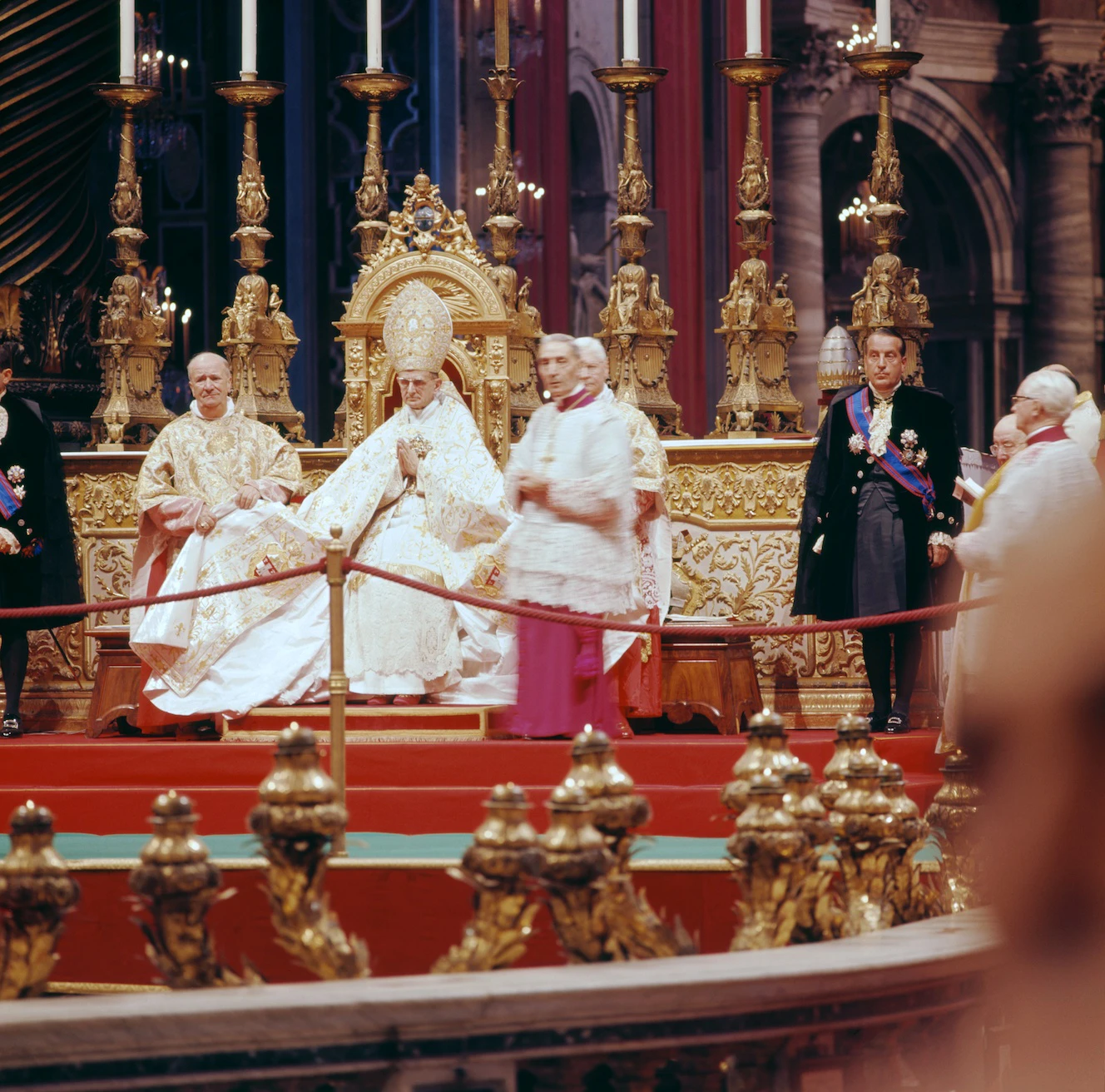
“Christ is the Light of nations. Because this is so, this Sacred Synod gathered together in the Holy Spirit eagerly desires, by proclaiming the Gospel to every creature, to bring the light of Christ to all people, a light brightly visible on the countenance of the Church” (LG 1).
Our goal: To further the Council’s aim of bringing the light of the Gospel to every creature.
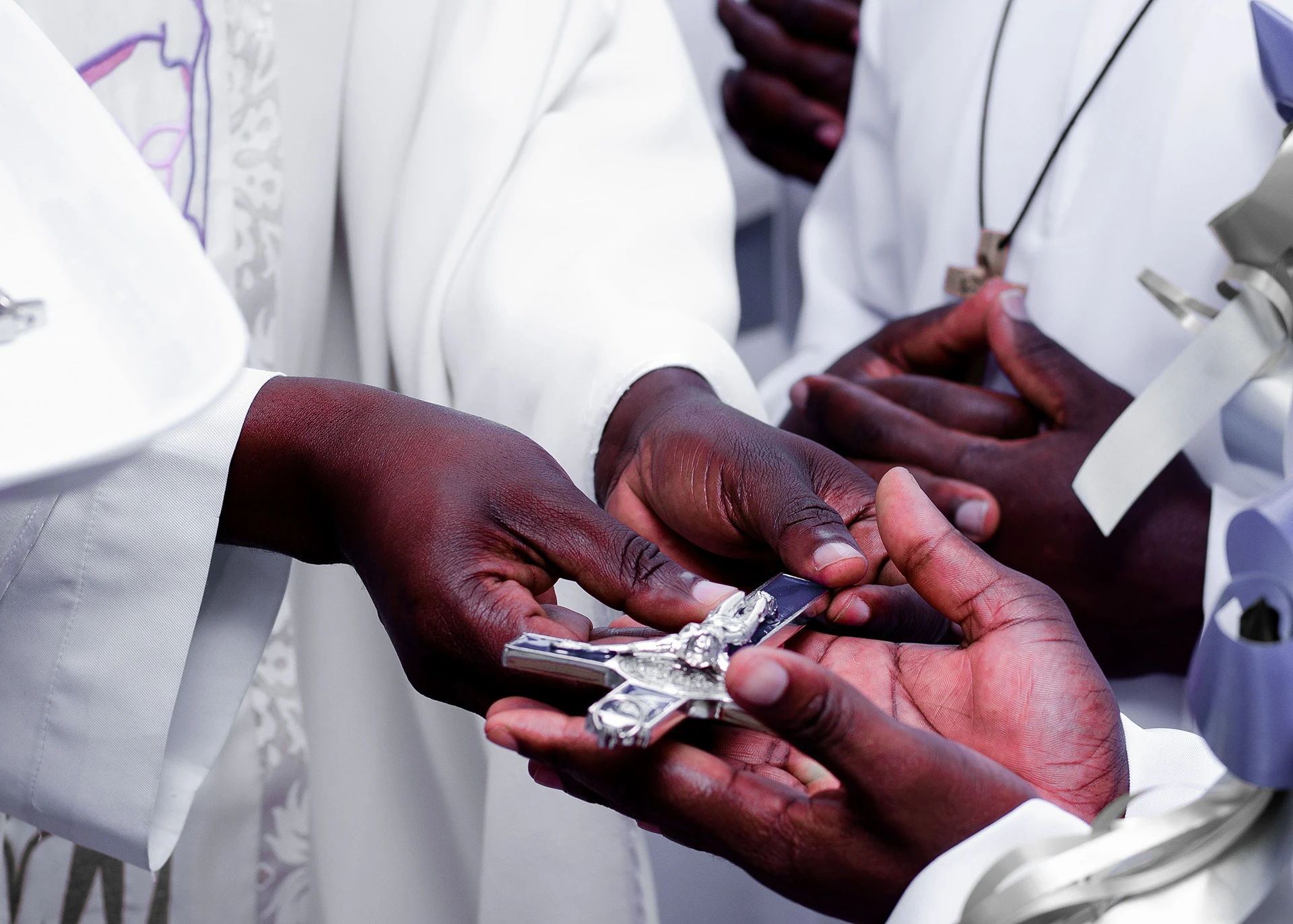
“Just as Christ carried out the work of redemption in poverty and oppression, so the Church is called to follow the same path if she is to communicate the fruits of salvation to humanity. Christ Jesus, though he was in the form of God … emptied himself, taking the form of a servant and though he was rich, became poor for our sake” (LG 8, citing Phil. 2.6-7, cf. Is. 53; 2 Cor. 8.9).
Our mode: to work to discover in the conciliar documents and then to uplift, a style of evangelization proper to a servant Church, one that is on the look-out for Christ, the Suffering Servant, in all of those whose human dignity is assaulted and denied.
“The joys and hopes, the grief and sorrows of the people of our time, especially those who are poor or afflicted, are the joys and hopes, the grief and sorrow of the followers of Christ as well … [But] It is only in the mystery of the Word made flesh that the mystery of humanity truly becomes clear. … As an innocent lamb he merited life for us by his blood which he freely shed. In him God reconciled us to himself and to one another, freeing us from the bondage of the devil and of sin, so that each one of us could say with the apostle: the Son of God loved me and gave himself for me (Gal. 2.20). … It is therefore through Christ, and in Christ, that light is thrown on the mystery of suffering and death which, apart from his Gospel, overwhelms us” (GS 1; 22).
A dominant theme: to evangelize by promoting an encounter with Christ, at once the “innocent lamb” and the “light of nations” who so illuminates the “griefs and sorrows” of suffering and death that the “hope” of the paschal mystery can shine in the heart of every person and with it, the “joy” of the Gospel.